Welding is one of the most essential skilled trades in the United States, supporting industries such as construction, automotive manufacturing, shipbuilding, oil & gas, and aerospace. However, welding is also one of the most hazardous industrial jobs if proper safety rules are not followed.
In this complete, USA-focused guide, you’ll learn the mandatory welding safety rules in the USA, based on federal regulations, industry standards, and real-world best practices. Whether you are a beginner welder, certified professional, workshop owner, or employer, this guide is designed to help you stay safe, compliant, and productive.
Why Welding Safety Rules Are Critical in the USA
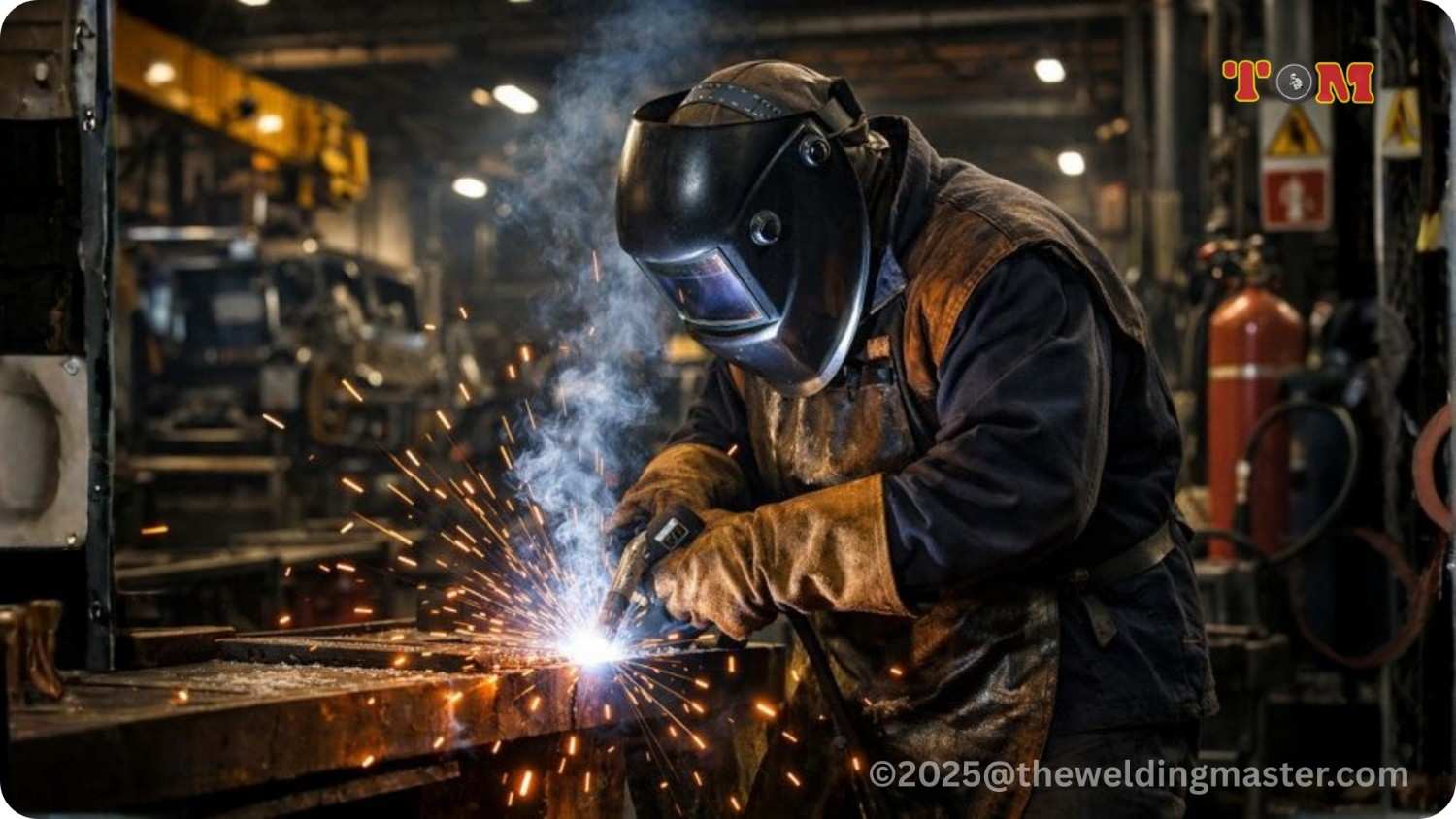
Welding exposes workers to multiple hazards at the same time:
Extreme heat and molten metal
Intense UV and infrared radiation
Toxic welding fumes and gases
Electric shock risks
Fire and explosion hazards
According to workplace safety data in the U.S., thousands of welding-related injuries occur every year—many of them completely preventable by following established safety rules.
In the USA, welding safety is not optional. It is governed by federal law and enforced through inspections, penalties, and workplace compliance audits.
Who Regulates Welding Safety in the USA?
Welding safety in the United States is primarily regulated and guided by:
OSHA regulations are legally mandatory, while AWS and ANSI standards are widely adopted as industry best practices and often referenced by OSHA during inspections.
OSHA Welding Safety Standards You Must Know
OSHA welding safety rules are mainly covered under:
29 CFR 1910 Subpart Q – Welding, Cutting, and Brazing
29 CFR 1910 Subpart I – Personal Protective Equipment
29 CFR 1910.252–255 – Arc welding, gas welding, and cutting
Failure to comply can result in heavy fines, work stoppages, or legal action.
Personal Protective Equipment (PPE) for Welders (Mandatory)
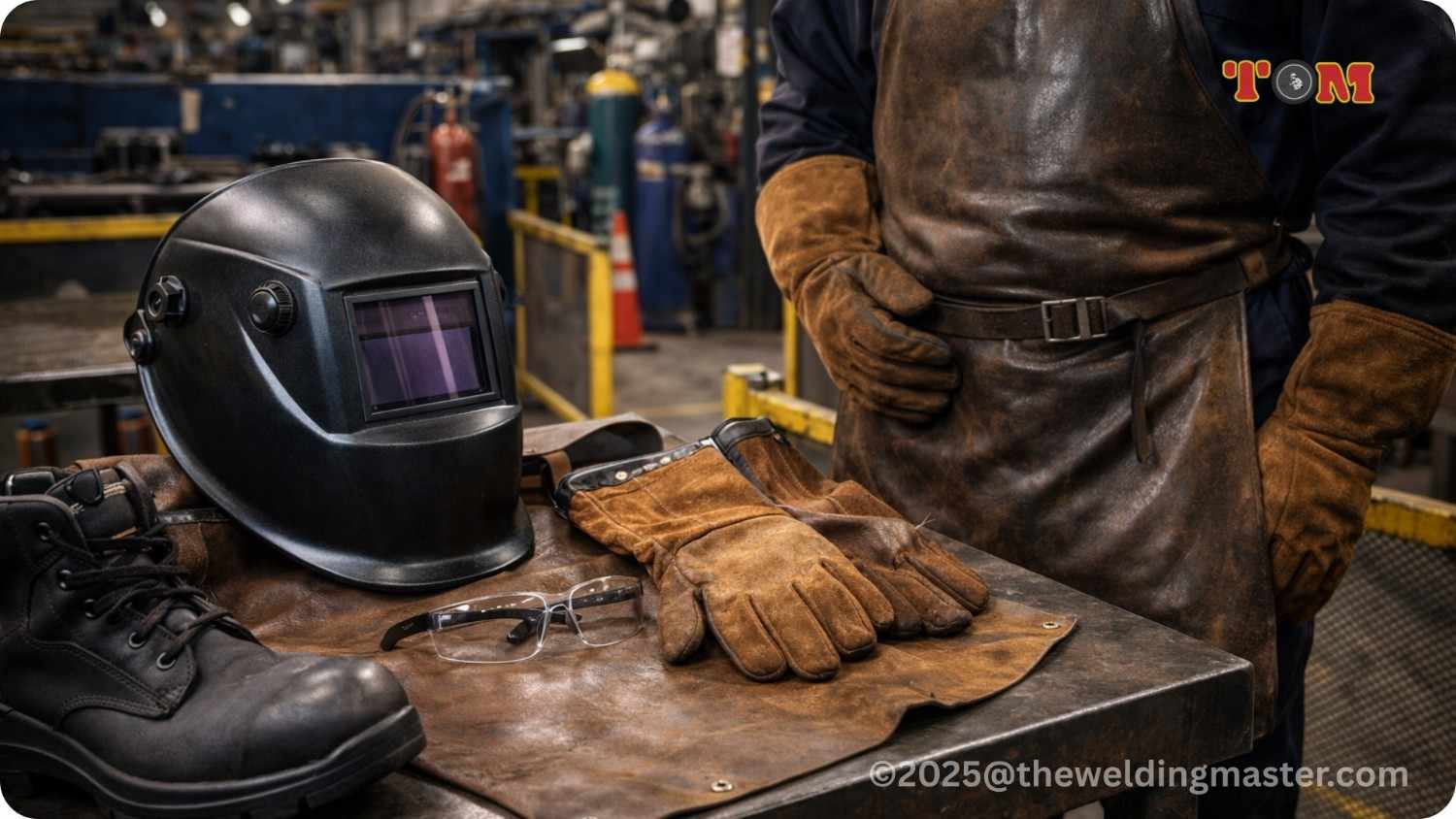
Required PPE for Welding in the USA
Every welder must wear appropriate PPE to protect against burns, radiation, fumes, and impact injuries.
OSHA recommends lens shades based on welding current. Using the wrong shade can cause arc eye (welder’s flash) and permanent eye damage.
Ventilation and Fume Control Rules
Why Welding Fumes Are Dangerous
Welding fumes may contain:
Hexavalent chromium
Manganese
Zinc oxide
Carbon monoxide
Nitrogen oxides
Long-term exposure can cause lung damage, metal fume fever, and neurological issues.
OSHA Ventilation Requirements
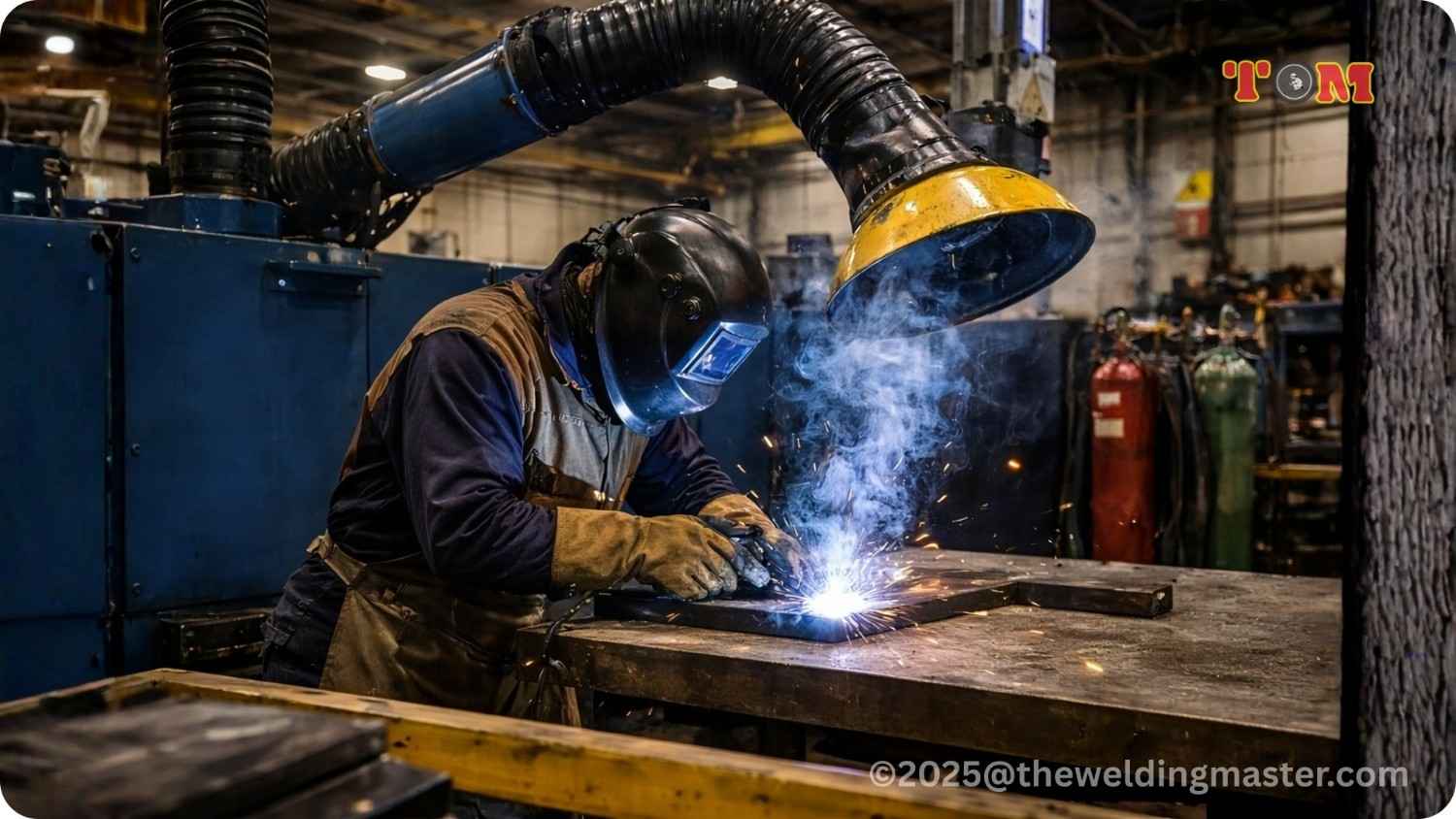
Local exhaust ventilation is required in enclosed spaces
Respirators must be used when ventilation is insufficient
Confined space welding requires air monitoring and permits
Proper fume extraction is not optional under U.S. law.
Fire Prevention and Explosion Safety Rules
Fire Safety Rules Every Welder Must Follow
Remove flammable materials within 35 feet
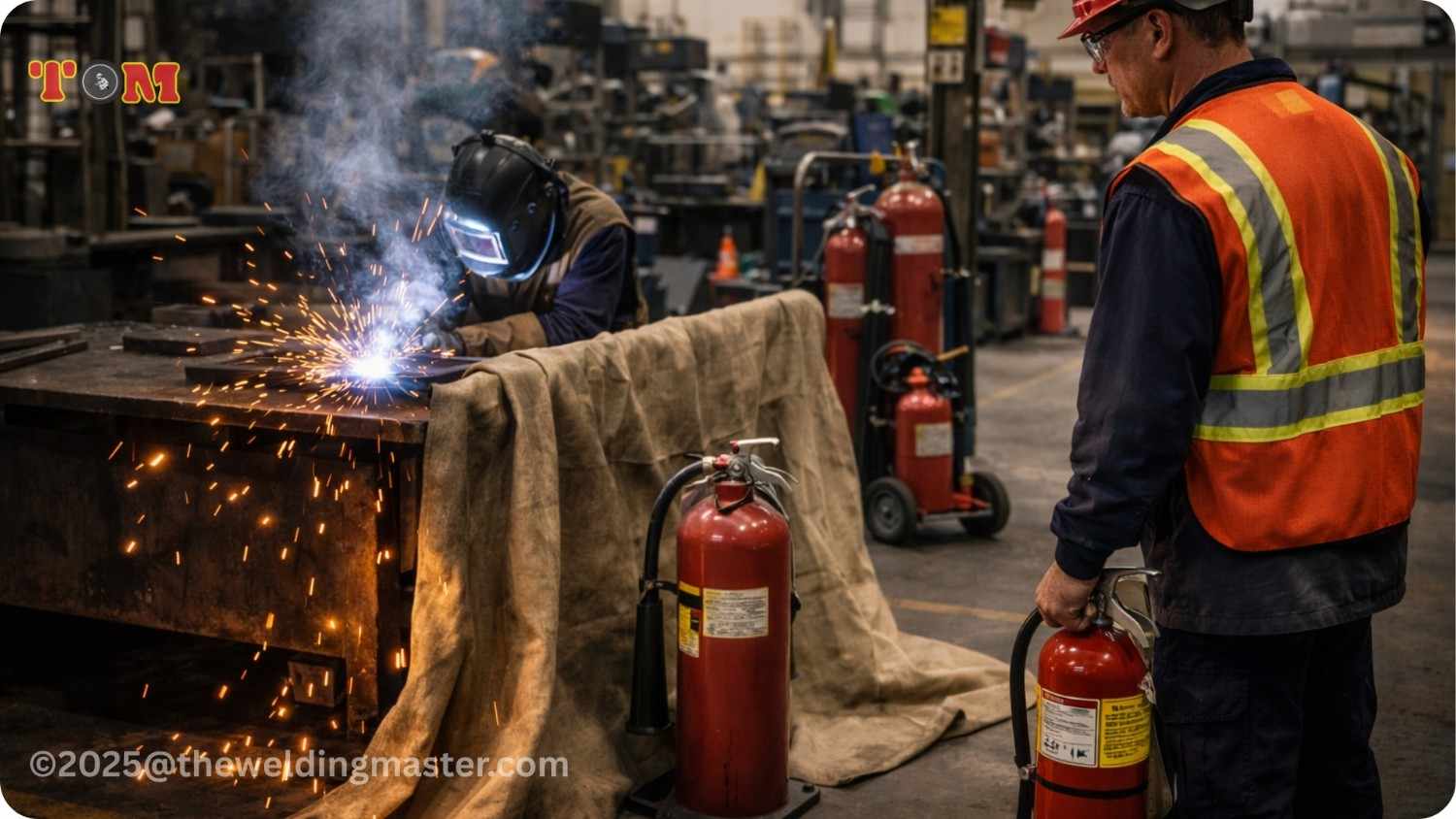
Use fire-resistant welding blankets
Keep fire extinguishers nearby
Assign a trained fire watch when required
Never weld near explosive containers
Hot Work Permit System
Many U.S. workplaces require a Hot Work Permit before welding. This permit ensures:
Hazard assessment
Fire prevention measures
Supervisor authorization
Electrical Safety Rules for Arc Welding
Electric shock is one of the leading causes of welding fatalities.
OSHA Electrical Safety Rules
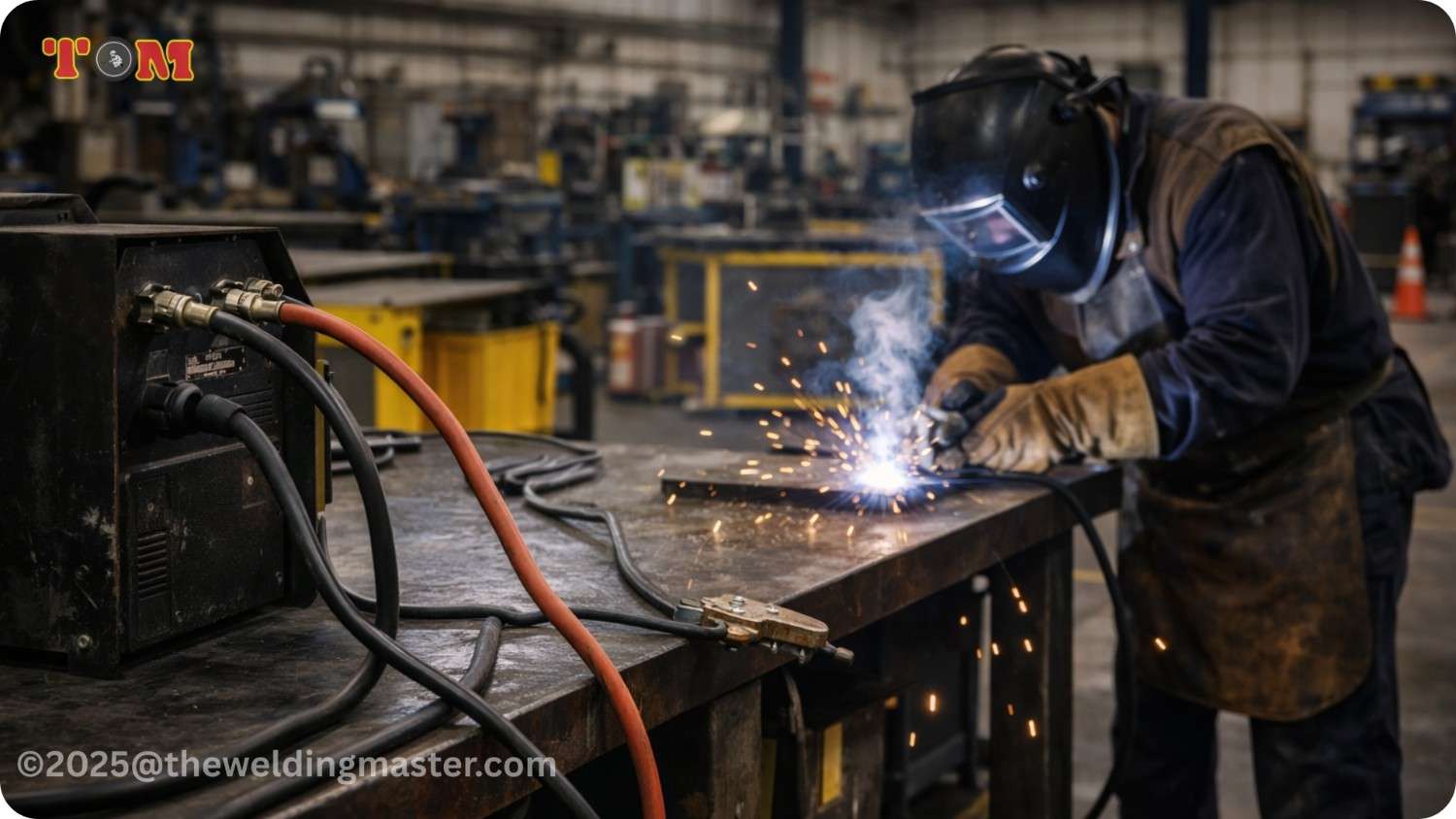
Inspect welding cables daily
Replace damaged insulation immediately
Ensure proper grounding
Keep hands and gloves dry
Never weld in wet conditions
Even low-voltage welding equipment can be fatal under the wrong conditions.
Gas Welding and Cylinder Safety Rules
Oxygen and Fuel Gas Cylinder Rules
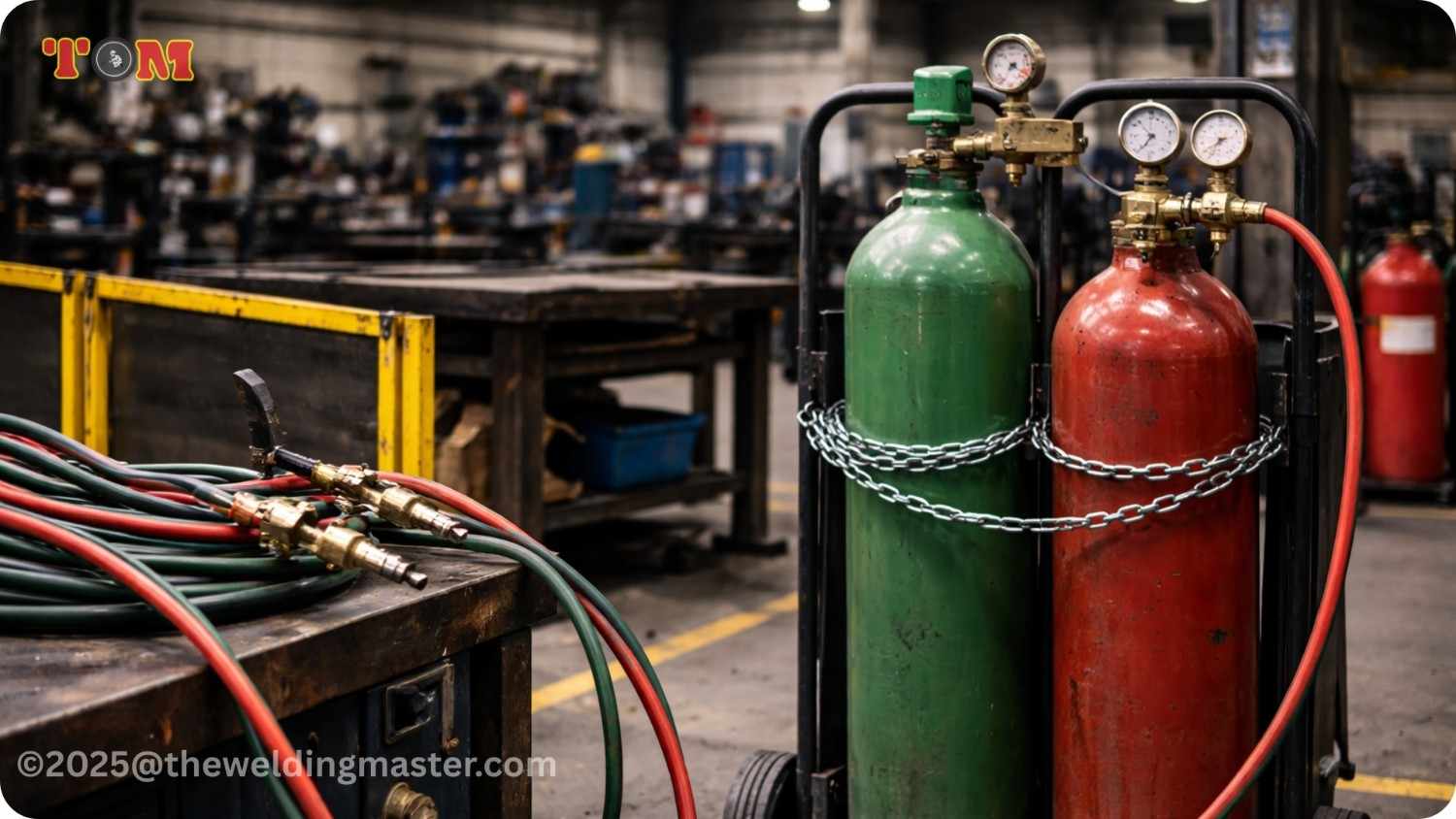
Secure cylinders upright at all times
Store oxygen and fuel gases separately
Use flashback arrestors
Never use oil or grease on oxygen fittings
Close valves when not in use
Improper gas handling can lead to violent explosions.
Confined Space Welding Safety Rules
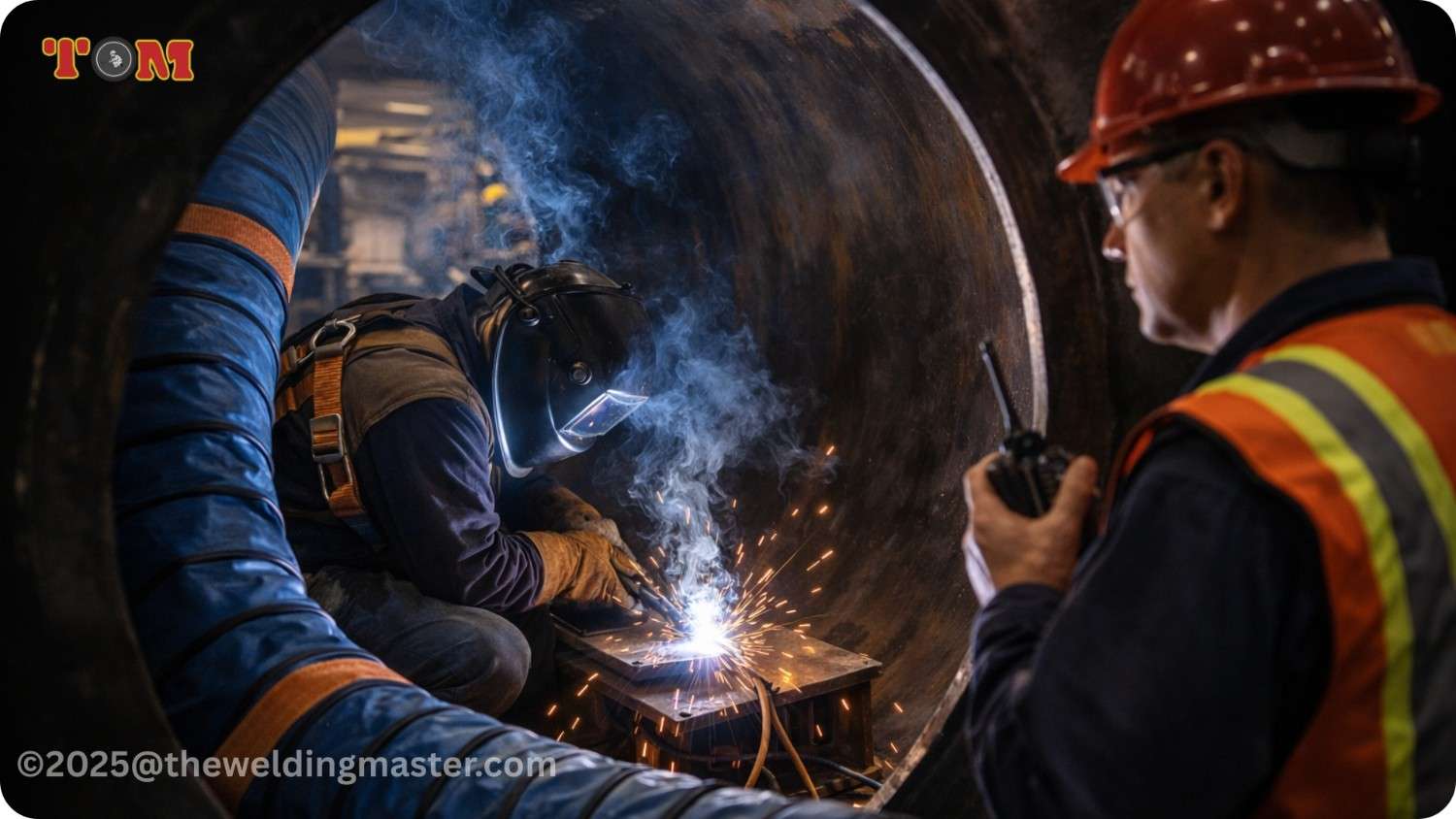
Confined spaces include tanks, pipelines, vessels, and enclosed rooms.
Mandatory Safety Measures
Confined space permit
Continuous air monitoring
Ventilation systems
Trained standby personnel
Emergency rescue plan
Confined space welding deaths are often caused by asphyxiation, not burns.
Training and Certification Requirements in the USA
OSHA Training Rules
OSHA requires that welders be:
Properly trained
Competent in equipment use
Aware of hazards
Industry Certifications
While OSHA does not mandate certification, employers often require:
AWS Certified Welder
Employer qualification tests
Safety training documentation
Employer Responsibilities Under U.S. Law
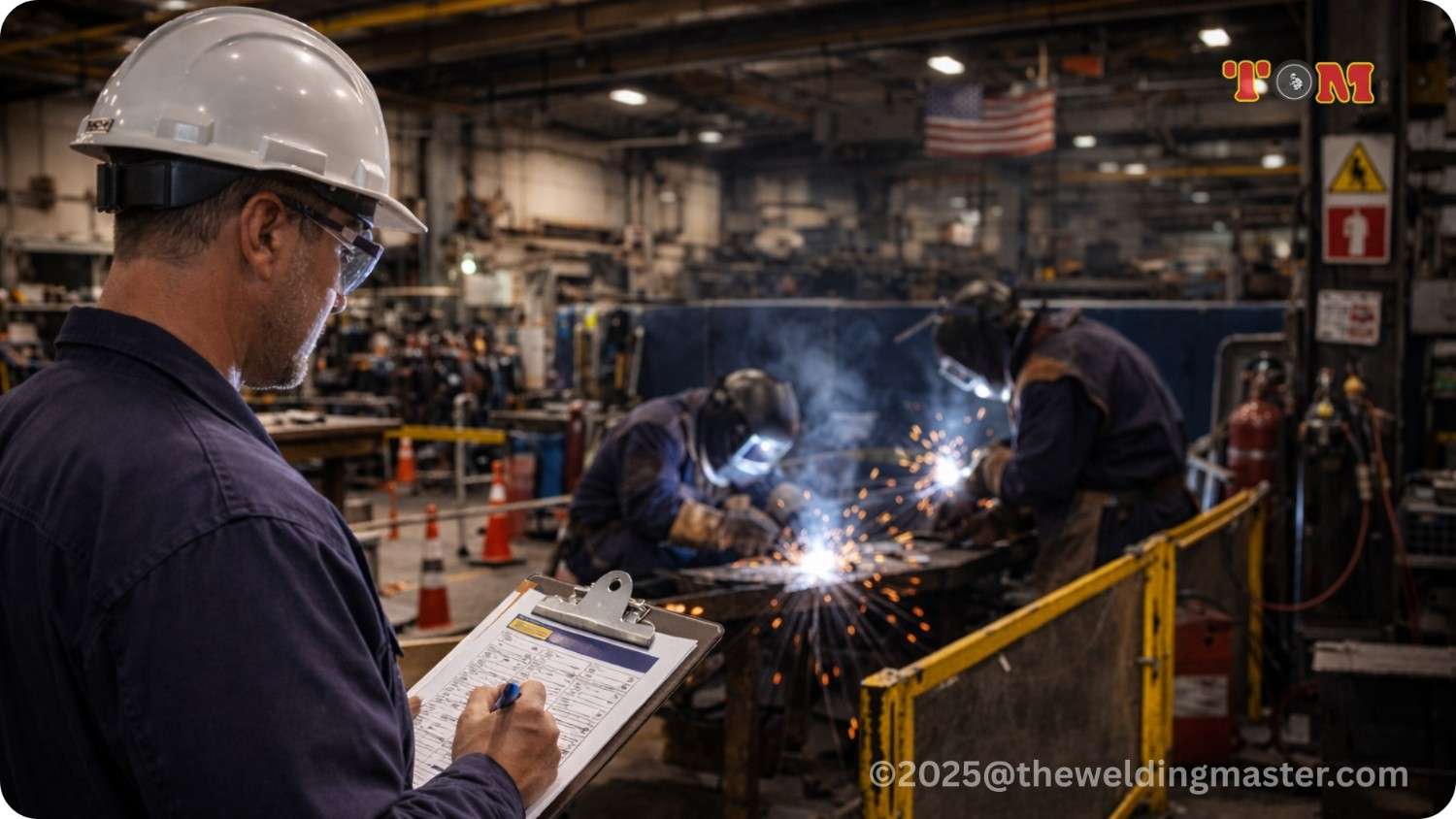
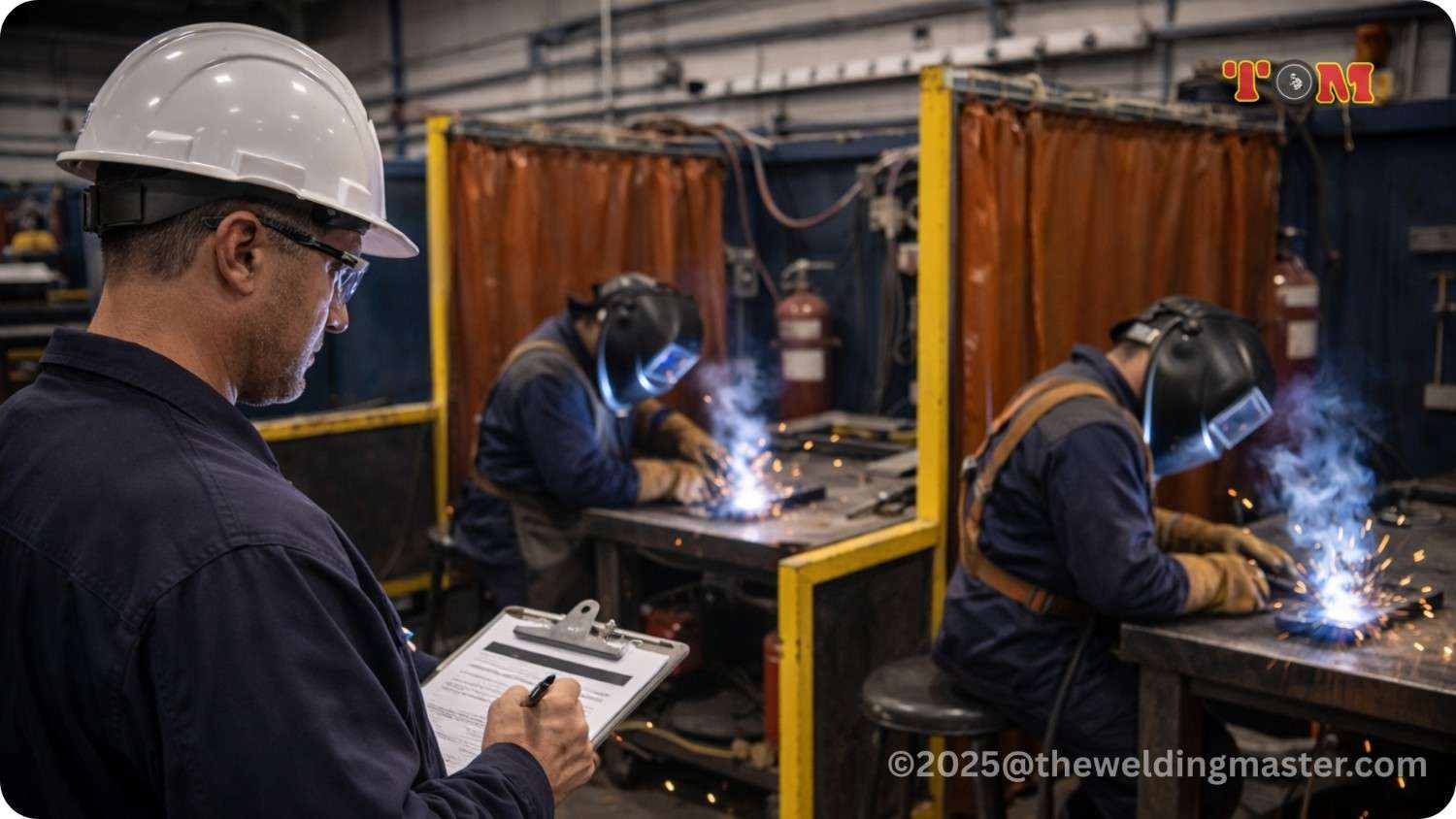
Employers must:
Provide PPE at no cost
Maintain safe equipment
Conduct safety training
Enforce safety rules
Maintain safety records
Failure to comply can result in OSHA citations and penalties.
Common Welding Accidents and How to Prevent Them
Accident Type
Cause
Prevention
Arc eye
No eye protection
Proper helmet shade
Burns
Exposed skin
FR clothing
Electric shock
Poor grounding
Equipment inspection
Fires
Sparks near flammables
Fire watch
Fume inhalation
Poor ventilation
Fume extraction
Welding Safety Checklist (USA Standard)
PPE worn correctly
Equipment inspected
Ventilation active
Fire extinguisher available
Area free of flammables
Proper supervision
Final Thoughts: Welding Safety Is Not Optional in the USA
Following welding safety rules in the USA is about more than compliance—it’s about protecting lives, careers, and businesses. Whether you’re a solo welder or managing a large fabrication shop, strict adherence to safety standards ensures long-term success and legal protection.
Frequently Asked Questions (FAQs)
1. Are welding safety rules mandatory in the USA?
Yes. OSHA welding safety rules are federal law. Employers and welders must comply to avoid fines, injuries, or shutdowns.
2. What PPE is legally required for welding in the USA?
At minimum: welding helmet, safety glasses, flame-resistant clothing, gloves, and protective footwear.
3. Is ventilation mandatory during welding?
Yes. OSHA requires adequate ventilation or respiratory protection when welding fumes exceed exposure limits.
4. Can I weld without certification in the USA?
Legally yes, but employers often require AWS or internal certification for safety and quality compliance.
5. What is a Hot Work Permit?
A Hot Work Permit is a written authorization required before welding in fire-prone or hazardous areas.
6. Is welding in confined spaces allowed?
Yes, but only with permits, ventilation, air monitoring, and trained safety personnel.
7. What happens if OSHA welding rules are violated?
Violations can result in fines, legal action, project shutdowns, or criminal liability in severe cases.
8. Are welding fumes harmful long-term?
Yes. Long-term exposure can cause lung disease, neurological disorders, and cancer depending on materials welded.
9. Who enforces welding safety in the USA?
OSHA enforces federal welding safety laws, often referencing AWS and ANSI standards.
10. Do small workshops need to follow OSHA welding rules?
Yes. OSHA rules apply to businesses of all sizes in the USA.